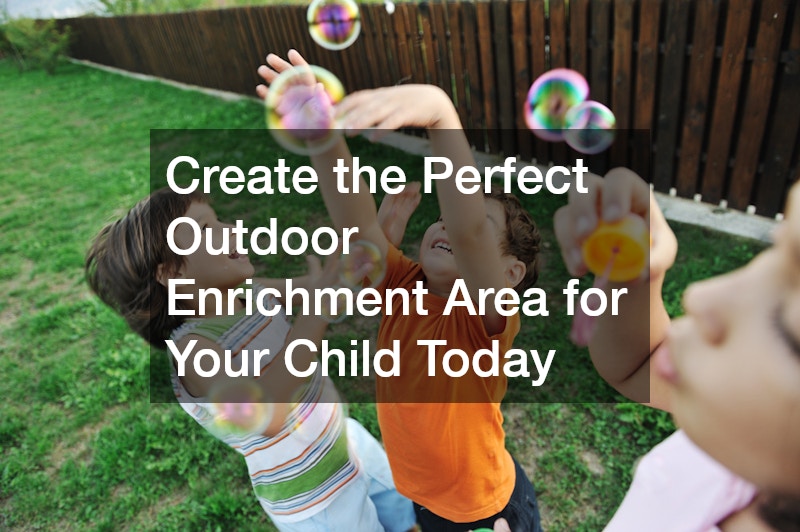
Children thrive when they have space to move, imagine, build, explore, and test their independence. In today’s fast-paced, screen-saturated world, outdoor environments offer something increasingly rare: unstructured opportunity. A thoughtfully designed outdoor enrichment area gives your child a place to develop physically, emotionally, socially, and intellectually — all while simply playing.
The key is intentional design. An effective outdoor enrichment space is not just a swing set placed in the yard. It is a carefully planned environment that balances safety, creativity, learning, and growth. When done correctly, it becomes an extension of your home — one that evolves alongside your child’s development and supports meaningful daily experiences.
This comprehensive guide walks you through exactly how to plan, design, and maintain an outdoor enrichment area that encourages exploration, builds confidence, and grows with your family.
Start With a Clear Vision Based on Your Child’s Age and Development
Before installing any equipment or purchasing materials, take time to think about your child’s developmental stage and personality. A toddler’s needs differ dramatically from those of a preschooler or elementary-aged child, and designing with growth in mind ensures your investment lasts.
Young children benefit from sensory-rich environments that support early learning through touch, sound, movement, and observation. Sand play, textured surfaces, simple water features, and low climbing structures encourage neural development and coordination. These early years are critical for developing fine motor skills, balance, and problem-solving abilities. An outdoor space that invites experimentation — pouring, stacking, digging, building — naturally strengthens these foundational skills.
As children grow, their play becomes more imaginative and physically ambitious. School-aged children often enjoy obstacle courses, creative building zones, and quiet spaces for independent projects. Designing your enrichment area with flexible zones allows you to accommodate both active and reflective activities.
Instead of focusing on trendy play equipment that may quickly lose appeal, think long-term. Ask yourself what types of play your child gravitates toward. Do they love climbing? Drawing? Gardening? Pretending they are explorers or builders? The more closely your design aligns with their natural interests, the more often the space will be used.
Choose the Safest and Most Functional Location in Your Yard
Where you place your outdoor enrichment area significantly impacts safety and usability. Ideally, the space should be visible from inside your home, especially from commonly used rooms such as the kitchen or living area. Clear sightlines allow supervision without hovering, which supports independence while maintaining safety.
Sun exposure is another critical factor. Areas that receive intense afternoon sun may become too hot for comfortable play, particularly in warmer climates. Natural shade from mature trees can help regulate temperature and create a calming atmosphere. However, trees require proper inspection to ensure they do not pose hazards. Consulting tree services near me allows you to assess the health of existing trees, remove unstable branches, and ensure root systems will not interfere with future installations.
Drainage must also be considered carefully. Avoid low spots where water collects after rain, as standing water creates muddy conditions and potential slipping hazards. If necessary, slight grading adjustments can improve water flow and preserve usability year-round.
By carefully evaluating sunlight, drainage, visibility, and natural surroundings, you create a foundation for a safe and comfortable play environment that remains functional in all seasons.
Build a Safe, Durable Surface That Encourages Everyday Play

The ground surface beneath your child’s enrichment area is one of the most important design decisions you will make. While natural grass may seem sufficient, heavy foot traffic often leads to uneven patches, exposed soil, and mud. Hard surfaces such as concrete are not appropriate due to fall risks.
Engineered turf has become a popular choice because it offers durability, cushioning, and consistent appearance throughout the year. Working with a reputable turf supply provider ensures you select materials specifically designed for child-safe environments. High-quality products are non-toxic, UV-resistant, and constructed with proper drainage systems that prevent water accumulation.
Professional installation plays a crucial role in performance. A well-prepared base layer prevents shifting and improves shock absorption. Proper edging eliminates tripping hazards and keeps the surface securely in place.
If you prefer natural materials, options such as rubber mulch or playground-grade wood chips can provide impact protection. Each material requires routine maintenance, so consider how much upkeep you are willing to manage.
A comfortable, resilient surface encourages spontaneous play. Children are far more likely to run, jump, and explore when the ground feels safe and inviting beneath their feet.
Create Purposeful Zones for Movement and Quiet Exploration
An effective outdoor enrichment area balances high-energy activity with calm discovery. Designing distinct zones allows children to move freely between different types of engagement.
Active play areas might include climbing structures, balance beams, swings, or open space for running games. These elements build coordination, muscle strength, and cardiovascular health. Proper spacing between structures prevents overcrowding and reduces the risk of collisions.
Equally important is a quieter zone dedicated to creativity and reflection. A shaded reading nook, a small outdoor art table, or a simple bench near garden beds can provide a peaceful retreat. These spaces encourage children to slow down, observe their surroundings, and engage in focused activities.
Incorporating subtle educational prompts strengthens early learning without turning playtime into formal instruction. A weather station mounted to a fence, stepping stones labeled with numbers, or a simple measuring chart for tracking plant growth can spark natural curiosity.
When children have the freedom to choose between energetic movement and calm exploration, they develop self-regulation skills and learn to listen to their own needs.
Integrate Natural Elements That Inspire Curiosity

Nature itself is one of the most powerful enrichment tools available. Incorporating organic materials fosters creativity and deepens children’s connection to the environment.
Trees offer shade, sensory stimulation, and opportunities for safe climbing when properly maintained. Before encouraging climbing, consult tree services near me to confirm structural integrity and address any concerns. Routine care ensures both safety and long-term tree health.
Gardening areas introduce responsibility and scientific observation. Children who plant seeds and monitor growth learn patience and cause-and-effect relationships. Raised beds make gardening more accessible and manageable, particularly for younger children.
Water features such as small pumps or splash tables provide opportunities to explore movement and volume in hands-on ways. Even simple additions like smooth stones, sticks, and logs can transform into imaginative building materials.
Natural elements encourage open-ended play because they do not dictate a single use. A log might become a pirate ship one day and a balance beam the next. This flexibility fuels imagination far more effectively than fixed plastic toys.
Install Age-Appropriate Structures That Support Physical Growth
Movement is essential for physical development and confidence-building. Installing equipment that aligns with your child’s abilities ensures they feel challenged but not overwhelmed.
For younger children, low climbing platforms and gentle slides promote coordination without excessive risk. Older children may benefit from rope climbs, obstacle paths, or adjustable sports nets.
All structures should be securely anchored according to manufacturer guidelines. Regular inspections prevent small issues from becoming safety hazards. Durable materials such as treated wood or powder-coated metal withstand weather exposure and heavy use.
Leaving open space within the yard is equally important. Overcrowding the area with equipment can limit creativity and reduce flexibility. Open areas allow children to invent their own games and adapt the space as they grow.
When thoughtfully chosen and properly maintained, physical structures build strength, resilience, and confidence.
Encourage Learning Through Exploration Rather Than Instruction

Outdoor enrichment should evoke feelings of joy and excitement, rather than being perceived as a structured academic exercise. The primary aim is to cultivate curiosity through experiential learning rather than through formal, traditional lessons. Environments enriched with barely noticeable prompts such as magnifying glasses for detailed insect observation, journals for the creative task of sketching plants in their natural habitats, or chalkboard panels for drawing and doodling are all excellent means of encouraging self-directed discovery.
Children exhibit significantly higher levels of engagement when they are given the freedom and support to take charge of their own exploration. Instead of instructing them to carry out specific tasks, providing them with the right tools and resources allows their innate interests to steer their learning journey. Outdoor environments are particularly well-suited for such hands-on experimentation. Activities such as measuring the amount of rainfall, observing the movement of shadows throughout the day, or witnessing the changes that accompany the different seasons promote an understanding of scientific principles without the need for a rigid curriculum.
Imagine the joy a child might feel as they use their magnifying glass to peer into the intricate world of insects, discovering the fascinating details of a caterpillar’s tiny legs or the delicate patterns on a butterfly’s wings. Or consider the satisfaction they might experience as they sketch the vibrant hues of a sunflower in full bloom, noting the symmetry and form that define its structure. Such experiences create lasting memories and fuel a lifelong interest in the natural world.
By engaging with their surroundings in playful and exploratory ways, children develop a strong foundation for learning that goes beyond textbooks and classrooms. Every drop of rain measured, every shadow tracked, and every seasonal change observed contributes to a child’s growing understanding of the world, helping them to think scientifically and consider the dynamics of nature.
Therefore, allowing children the liberty to explore with subtle guidance not only fosters their inquisitive minds but also helps them build skills that are essential for lifelong learning. It is through these personal and direct interactions with nature that children cultivate a genuine appreciation for and understanding of their environment.
Maintain Safety Through Consistent Care and Professional Support
Creating and maintaining an enriching space for play and relaxation requires ongoing diligence and care. To ensure the safety and durability of these areas, regular maintenance is crucial. For instance, the surfaces within your enrichment area need consistent attention. A thorough inspection of these surfaces should be conducted regularly, focusing on checking for wear and tear. Any identified uneven spots should be addressed immediately to prevent accidents or further degradation of the area. Moreover, maintaining communication with your turf supply provider is beneficial. They can offer valuable advice on the best practices for cleaning and preserving the life span and effectiveness of the shock absorption material over time, which is vital to maintaining safety.
Trees in the enrichment area, while providing shade and aesthetic appeal, require careful monitoring. Periodic evaluations of trees should be conducted to remove any dead branches that might pose a risk to visitors. It is equally important to assess the overall health of the trees to prevent diseases or pest infestations that could compromise the trees’ structure. To achieve this, seeking the expertise of local tree service professionals is advisable. These experts can help identify potential hazards early on and ensure they are mitigated effectively and professionally, preventing possible injuries or damage to the property.
In addition to surface and tree maintenance, attention must be directed towards the play structures present in the area. The hardware on these structures should be inspected and tightened on a monthly basis. This step is crucial to ensure that the equipment remains safe and operational for users. Furthermore, the area’s drainage systems play a significant role in maintaining a secure and enjoyable space. It is essential to keep these systems free of debris to prevent water buildup, which could lead to flooding or slippery surfaces, posing a safety risk.
Design for Long-Term Flexibility and Growth

Children grow quickly, and their interests evolve just as rapidly. Designing with adaptability in mind prevents frequent and costly overhauls. Modular equipment allows components to be added or removed as needed. Garden beds can expand. Open lawn areas can transition into sports practice zones. Storage benches keep supplies organized and protected from weather. Planning for growth ensures your outdoor enrichment area remains engaging and relevant throughout childhood.
Creating an outdoor enrichment area for your child is one of the most meaningful investments you can make in their development. With thoughtful planning, safe materials, natural elements, and room for growth, your yard can become a place where curiosity thrives and confidence blossoms.
When designed intentionally and maintained consistently, this space will support exploration, creativity, and joyful movement for years to come. Start where you are, build gradually if needed, and watch as your outdoor environment transforms into a powerful foundation for learning and lifelong growth.