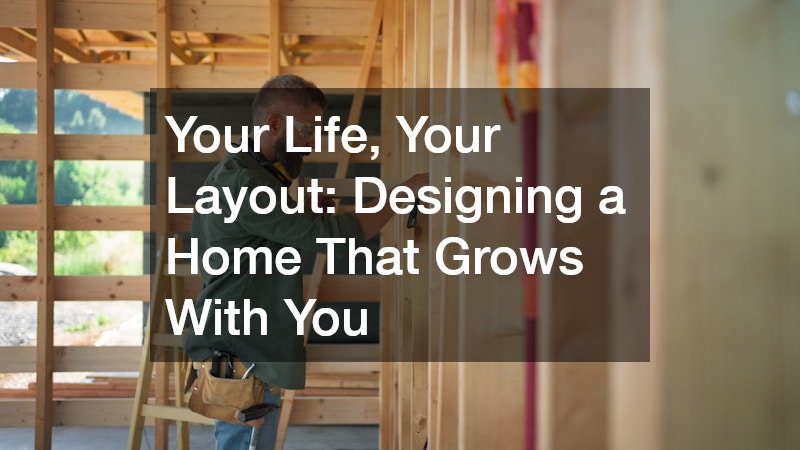
Building a new home is one of the most exciting milestones in life. It’s a chance to start fresh, design with purpose, and create a space that reflects who you are today while accommodating who you may become tomorrow. A well-designed home should not only suit your current lifestyle but also adapt seamlessly as your needs change over time. From family growth to career shifts and lifestyle transitions, thoughtful planning ensures your home in Australia remains comfortable, functional, and enjoyable for years to come.
Designing With the Future in Mind
When purchasing real estate and designing a home, it’s easy to focus solely on present-day needs. However, a future-focused mindset can save time, money, and stress down the track. Consider how your lifestyle might change in five, ten, or even twenty years. You may plan to grow your family, work from home more often, or eventually downsize your daily routines. Designing flexible spaces allows your home to evolve without major structural changes.
Future-proofing can be as simple as including wider hallways, step-free entryways, or rooms that can be repurposed later. A nursery might one day become a study, while a spare bedroom could transition into a hobby room or guest suite. These considerations ensure your home continues to serve you well through every stage of life.
Designing Entryways That Adapt to Everyday Life
Your home’s entryway sets the tone for daily living and should be designed with both function and flexibility in mind. A well-planned entry can evolve from managing prams, school bags, and muddy shoes to accommodating sports equipment, work gear, or mobility aids later in life. Including durable flooring, easy-to-clean surfaces, and generous lighting ensures the space remains practical through constant use.
Built-in storage, seating, and hooks make the entryway adaptable as household needs change. A bench seat may start as a place to put on children’s shoes and later become a convenient resting spot. By designing this area with long-term use in mind, your entryway remains organised, welcoming, and efficient at every life stage.
Flexible Floor Plans for Changing Lifestyles
Open and adaptable floor plans are key to a home that grows with you after a land sale in Australia. Multi-purpose rooms provide versatility and allow you to adjust layouts as needed. Instead of dedicating rooms to single functions, think about how each space could serve multiple purposes over time.
Sliding doors, movable partitions, and open living zones help create flexibility without compromising style. A formal dining room might transform into a home office, while an extra living area could later become a teenage retreat. By prioritising flexibility, your home can respond effortlessly to life’s changes.
Planning for Easy Maintenance as Life Changes
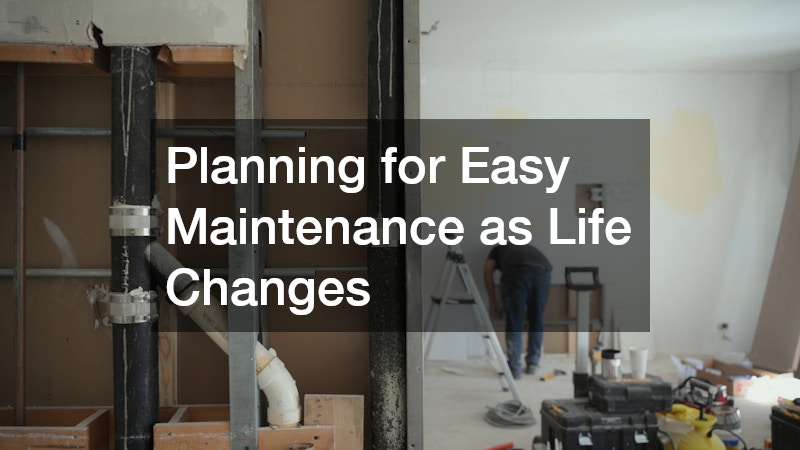
After purchasing property for sale, designing a home that grows with you should also be easy to maintain as priorities and energy levels shift. Selecting durable finishes, quality fixtures, and low-maintenance materials reduces ongoing upkeep and repair needs. This allows you to enjoy your home without constant maintenance demands.
Low-maintenance landscaping, stain-resistant surfaces, and practical design choices make daily living simpler. These decisions are especially valuable over the long term, ensuring your home remains comfortable, attractive, and manageable. Planning for easy maintenance supports a relaxed lifestyle now and well into the future.
Designing a Kitchen That Adapts With You
The kitchen is often the heart of the home, and its design should accommodate evolving needs. Whether you love entertaining, cooking for a growing family, or preparing quick meals on busy weekdays, a flexible kitchen layout is essential.
Incorporate ample storage, adjustable shelving, and generous bench space to suit changing requirements. An island bench can serve as a prep area, dining space, or homework station. By choosing durable materials and timeless finishes, your kitchen remains stylish and functional well into the future.
Living Spaces That Encourage Connection
Purchasing land for sale means having the opportunity to design a home with shared living areas, as they play a vital role in bringing people together. Designing welcoming, comfortable spaces encourages connection while still allowing room for relaxation. Natural light, good airflow, and seamless indoor-outdoor connections can significantly enhance these areas.
As your lifestyle changes, living spaces may take on new roles. What begins as a family lounge might later become an entertainment space or a quiet retreat. Thoughtful design ensures these areas remain adaptable and inviting throughout the years.
Bedrooms That Grow With Their Occupants
Bedrooms should be more than just places to sleep; they should evolve alongside the people who use them. For children, this means designing rooms that can transition from nurseries to teen retreats without major renovations. Neutral colour schemes and flexible storage solutions make these transitions easier.
For adults, consider how your needs may change over time. A master bedroom with space for a reading nook or sitting area offers flexibility and comfort. Built-in wardrobes with adjustable interiors can adapt to changing storage needs, ensuring long-term practicality.
Bathrooms Designed for Comfort and Longevity
Bathrooms are essential spaces that benefit greatly from thoughtful, future-focused design. Features such as walk-in showers, non-slip flooring, and ample lighting improve safety and accessibility for all ages.
Including a bathroom on the ground floor is especially beneficial for long-term living. As mobility needs change, these considerations can make a significant difference in maintaining independence and comfort. Timeless finishes and quality fixtures installed by a professional plumber ensure your bathroom remains functional and appealing for years to come.
Maintaining Air Quality and Flexible Climate Control
Good air quality and adaptable climate control are essential for a home that grows with you. Installing high-quality ventilation, air filtration systems, and energy-efficient air conditioning ensures healthy, comfortable living spaces regardless of season or lifestyle changes. Indoor air quality testing supports wellbeing and helps prevent allergies or respiratory issues as your household evolves. n
Consider zoning your air conditioning and ventilation to allow different temperatures in separate areas, which accommodates changing needs over time. Smart thermostats and air purifiers add flexibility, allowing you to adjust settings easily for different rooms or family members. Thoughtful climate control planning ensures long-term comfort, health, and energy efficiency throughout your home.
Home Offices and Study Spaces for Modern Living
With more Australians working and studying from home, dedicated office spaces have become increasingly important. Designing a home office that can adapt to changing work patterns adds long-term value and functionality.
A study nook may later become a homework area for children or a creative studio. Incorporating good lighting, sound insulation, and storage ensures these spaces remain useful as your needs evolve. Even small, well-designed work zones can make a significant impact on daily productivity.
Designing Hallways for Flow and Function
Hallways are often overlooked, yet they play a key role in how a home feels and functions. Wider hallways improve accessibility, comfort, and ease of movement, especially as household needs change over time. They also create a sense of openness, preventing the home from feeling cramped or closed in.
Clever design choices can turn hallways into purposeful spaces. Recessed lighting, artwork displays, or built-in shelving add both style and function. By treating hallways as more than just passageways, you enhance flow, usability, and visual appeal throughout the home.
Outdoor Areas That Evolve With Your Lifestyle
Outdoor living is a key part of the Australian lifestyle, and your home’s exterior spaces should grow with you just as much as the interior. Alfresco areas, gardens, and courtyards can be designed for entertaining, relaxation, or family play. Consider how your outdoor needs might change over time. A lawn for young children may later become a landscaped garden or outdoor dining space. If you’re interested in a new seating area, ask your patio builders to include power, lighting, and water access when building so your backyard space easily adapts without major upgrades.
Storage Solutions That Adapt Over Time
Storage is often overlooked during the design process, yet it plays a crucial role in maintaining a functional home. Adequate storage helps reduce clutter and keeps living spaces organised as your belongings and needs change.
Built-in storage, under-stair cupboards, and flexible shelving systems allow your home to adapt without feeling cramped. Planning for future storage needs ensures your home remains comfortable and efficient throughout every life stage.
Energy Efficiency and Sustainable Design
Designing a home that grows with you also means considering long-term energy efficiency and sustainability. Smart orientation, insulation, and ventilation reduce energy costs and improve comfort year-round.
Incorporating solar panels, rainwater tanks, and energy-efficient appliances future-proofs your home while reducing environmental impact. Sustainable design choices not only benefit the planet but also enhance long-term affordability and liveability.
Laundry Spaces Built for Long-Term Use
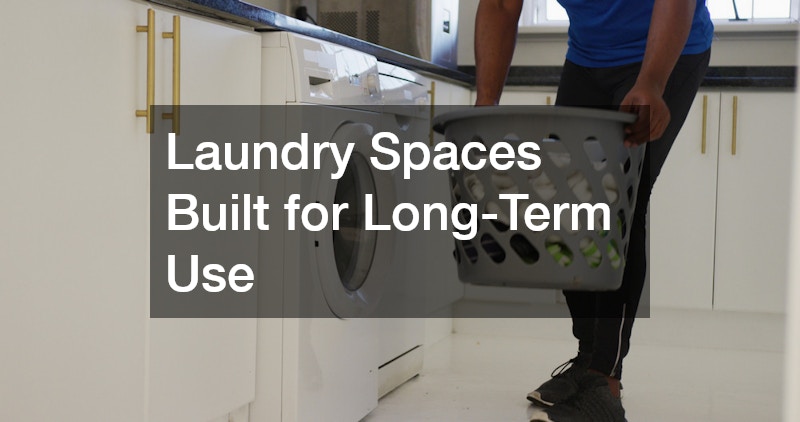
The laundry is one of the hardest-working areas in any home, and thoughtful design ensures it continues to meet your needs over time. A well-sized laundry can adapt from handling frequent family loads to managing specialised washing or storage needs later on. Ample bench space allows for folding, sorting, and even occasional household tasks.
Flexible cabinetry, overhead storage, and space for future appliances help the laundry evolve with your lifestyle. Positioning the laundry close to bedrooms or outdoor areas can improve daily efficiency. Durable materials and smart layouts ensure this essential space remains functional, organised, and easy to use for years to come.
Technology That Supports Changing Needs
Integrating smart home technology into your piece of land can significantly enhance a home’s adaptability. From lighting and climate control to security systems, technology allows your home to respond to changing lifestyles with ease. Pre-wiring for future upgrades ensures your home can accommodate new technologies as they emerge. This flexibility allows you to enhance comfort, safety, and efficiency without major renovations.
Designing for Multi-Generational Living
As families evolve, multi-generational living is becoming more common. Designing spaces that allow family members to live together comfortably while maintaining independence is essential. Separate living areas, additional bathrooms, and private entrances can make shared living harmonious. These design elements provide flexibility and ensure your home can adapt to changing family dynamics.

Personal Style That Stands the Test of Time
Personalising your home doesn’t mean following fleeting trends. Choosing timeless design elements ensures your home remains stylish and relevant as tastes evolve. Neutral foundations paired with personal accents allow you to update your home easily without extensive renovations. Artwork, furnishings, and décor can change over time, while the core design remains enduring and adaptable.
Designing Garage Spaces for More Than Just Parking
Garages are often designed solely for vehicle storage, yet they have the potential to become highly adaptable spaces. A well-planned garage can accommodate storage, hobbies, fitness equipment, or workshop needs as your lifestyle changes. Allowing extra space and installing durable finishes makes the garage more versatile from the outset.
Built-in storage, good lighting, and additional power points enable the garage to evolve beyond its original purpose. Over time, it may serve as a home gym, creative workspace, or organised storage hub. Designing the garage with flexibility in mind ensures it continues to add value and functionality to your home.
Creating Outdoor Transitions That Enhance Everyday Living
Buying house and land packages gives your the option to create your home with a seamless indoor/outdoor transition. Thoughtful design can create seamless connections that encourage outdoor living while remaining practical and comfortable. Covered areas, level thresholds, and large openings help blend these spaces naturally.
As your lifestyle evolves, these transition zones can adapt to different uses, from entertaining guests to providing quiet outdoor retreats. Including lighting, weather protection, and durable materials ensures these areas remain usable year-round. Well-designed transitions enhance flow, comfort, and enjoyment throughout your home.
Designing a home in Australia that grows with you is about creating a flexible, thoughtful space that supports every chapter of life. By planning for change, prioritising adaptability, and focusing on long-term comfort, you can build a home that remains functional, personal, and welcoming over time. Your life will evolve, and your home should evolve with it. With careful design and future-focused decisions, your layout becomes more than just a floor plan—it becomes a foundation for living well, now and into the future.